ticker psychology
on the surface

Donk used to be a complicated ct trader that looks at all sort of data and uses a bunch of different indicator, but today Donk is a simple trader who lurks on ct to see what others are doing and execute his trades based on that info. It sounds lame but at least it works because ever since then Donk have been trading much better. He scrolls through comments, sees what the popular accounts are hyping, and uses that to figure out how everyone is feeling about the current state of the market. Then he positions accordingly. It’s not quantum physics wrapped in a sudoku — it's just crowd psychology with some common sense.
Many wonder how markets really tick. Most of us imagine super-smart algo dissecting buying and selling every millisecond. That's true but it doesn't really matter, because what really makes prices jump around every second is way less complicated than most ppl think: it's just ppl buying and selling based on the things they heard. This is why knowing crowd psychology often trumps understanding the orderbooks (i think). The market can stay irrational longer than most people can stay solvent, and that irrationality is driven by very human emotions and the desperate need to be right. Always choose making money > being right, the market is on top of the food chain, drop your ego and don’t go against it.
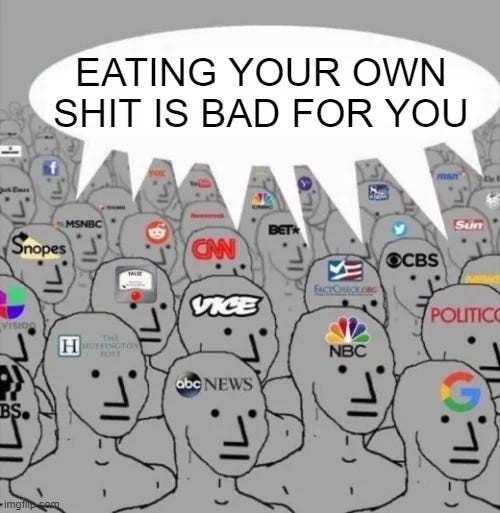
Being a contrarian pays off most of the time, and a lot of times Donk even counter-trades himself. When prices are rallying, Donk always tells himself he should've bought more. But when he actually feels that urge to hit the buy button at sky-high prices, that's exactly when he sells instead. The same logic works in reverse — the best buying opportunities usually come when Donk feels most afraid to buy, like during the COVID crash in late February 2020 or the FTX collapse in November 2022. Both turned out to be major bottoms. You can't change how you feel, and Donk don’t think you should suppress emotions when trading. The key is observing yourself, reading how others are feeling and having the discipline to execute. Before executing any trade, Donk always asks himself one simple question: "How am I feeling right now?" If the answer is excited or desperate, that's usually time to take profits. If it's fearful or hesitant, that might be the signal to bid. During tops, fear disappears completely. Not just fear of losing money, but fear of missing out becomes the only emotion left. That's when Donk becomes careful.
To put it simply, the best time to buy is when nobody wants it, and the best time to sell is when everybody has it. Because if everyone already owns it, who's left to push the price up? The risk becomes exponentially higher when the average person thinks a certain stock or coin is a "for sure thing" — not because the underlying project isn't doing well, but because we have reached peak demand.
Effortlessness
The irony is that once you understand this game, you realize how simple it actually is. Markets aren't moved by complex algorithms or genius analysts — they're moved by people making emotional decisions based on incomplete information. The sophisticated part isn't predicting what the market will do; it's knowing how people are feeling. And feelings, despite all our technological advances, remain beautifully predictable. When everyone feels smart, be scared. When everyone feels scared, be greedy. When everyone agrees, disagree. It's not about being smarter than the market — it's about being more honest about what the market actually is: a collection of people trying not to look stupid while secretly terrified of being wrong. The market is just human nature with a price ticker. Understand the people, understand yourself and you will understand the game.
nice post. thank you
Nice read